
Non-alc needs its mood enhanced
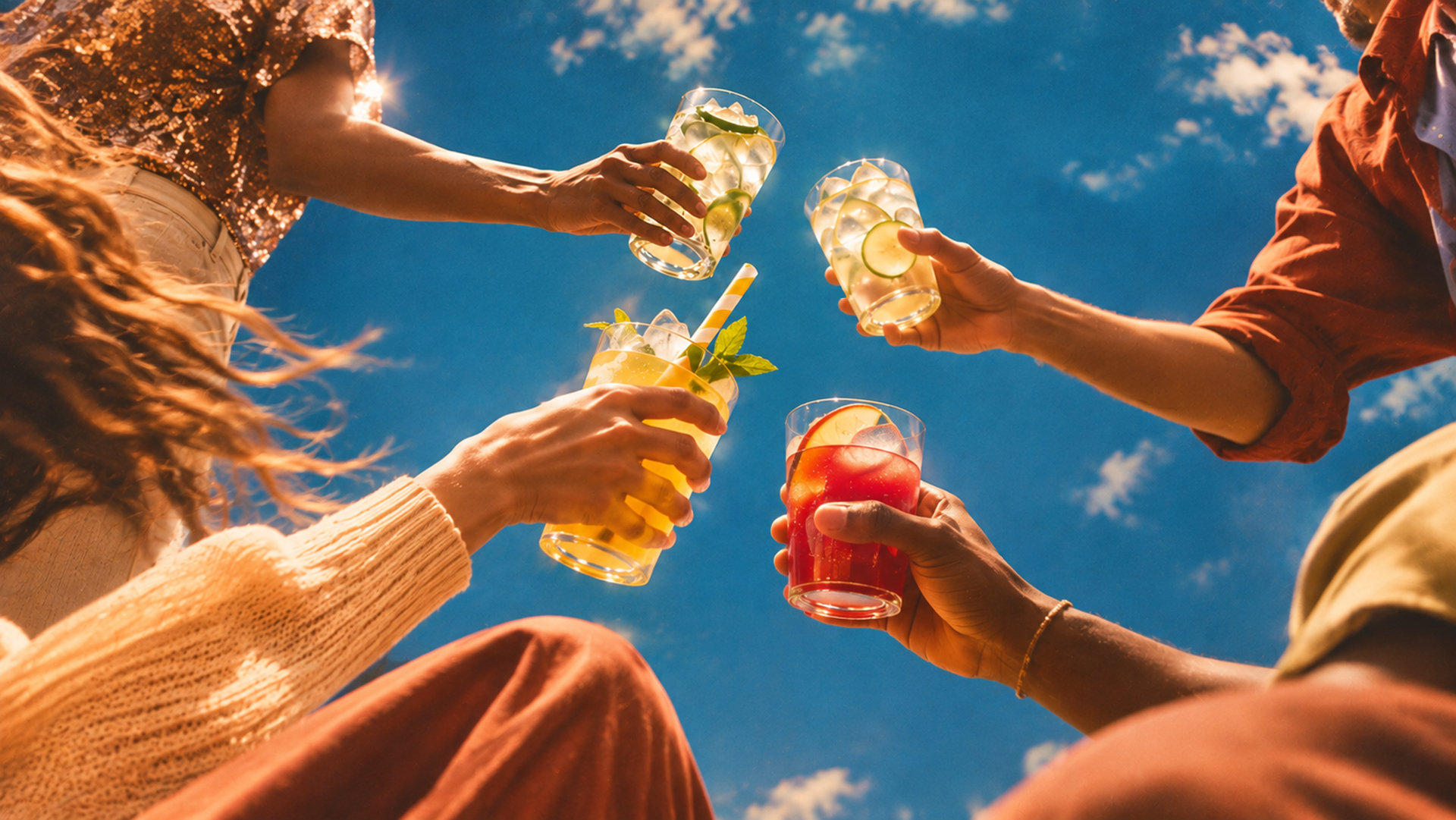
I got an invitation the other day from some bar or other, probably one of the new non-alcoholic metropolitan places, asking me to come try their Yakult lemonade.
I worked on advertising for Yakult – a strange name I always thought sounded a bit like a gag reflex – in a past life, so I know a bit about it. It’s a very sugary probiotic drink fermented with billions of bacteria called Lacticaseibacillus Shirota (the things you remember), and it comes in tiny plastic milk-urn-shaped bottles near the yoghurts in your supermarket fridge. None of this sounds half as appealing as a Chinola Martini, but now you can apparently throw Yakult in some lemonade, stick an umbrella in it and call it a $16 wellness cocktail.
So, what’s going on?
Non-alcoholic-wellness-mood-changing-new-occasion drinks have become an exciting, fast-evolving sector we could all learn from.
The numbers are slippery depending on who you ask, with plenty of blurring around the edges. But even in its wounded condition, the US alcoholic beverage market is a monster at over $300B. The wellness drinks market is over $20B, sports drinks over $10B, and adult non-alc has now passed $1B in US off-premise sales.
That $1B may sound like a rounding error, but dismissing it would be a mistake. Gallup found the fall in alcohol consumption was largely down to health concerns – the same forces helping fuel sports and wellness drinks.
Of that non-alcoholic $1B, more than three quarters is beer. Michelob Zero, Heineken 0.0 and Guinness 0.0 all try to taste like their full-alcohol counterparts and mostly stick to the generic non-alc blue packaging colourway. Wine is around 10%, with brands like Sutter Home Fre, Non-alc spirits and RTDs are around 5% (tiny), but growing and by far the most interesting from a packaging perspective. Some, like Lyre’s, mimic traditional spirits bottles; others, like Ritual, borrow from sports drinks.
Now that the numbers are out of the way. What can non-alc do beyond mimicking alcohol?
The opportunity comes from learning from other sectors and blurring the edges. Liquor has hyper-premiumised itself by borrowing from perfume. Sports drinks are the bastard child of water and supplements. Wellness drinks often sound like the New Age centres you find on every street corner here in California.
Functional drinks have learned a lot from the wellness gurus. Kin markets ‘euphorics’ containing ‘nootropics and adaptogens’ that claim to ‘connect you to yourself’ without inebriation, leaning heavily into wellness jargon and abstract emotional states instead of clinical proof. Small effects (even placebo effects) can command a premium.
There are a handful of players like Kin and a truckload of smaller ones, all fighting the same communication game: flavour, function and occasion. But what needs-state does the combination satisfy?
The flavour chase is real, mostly around fruit. Tart flavours feel healthier. Exotic fruits play into the herbal remedy world, but what matters is how those flavours fit the occasion or mood.
You might want something zesty and energising while travelling, something soft and relaxing if you’re trying to sleep on a plane, something comforting at home after a long day or something premium to celebrate with colleagues. Hydration, relaxation, energy, focus, or celebration, all provide an opportunity to think beyond traditional alcoholic drinks and tailor products to specific needs.
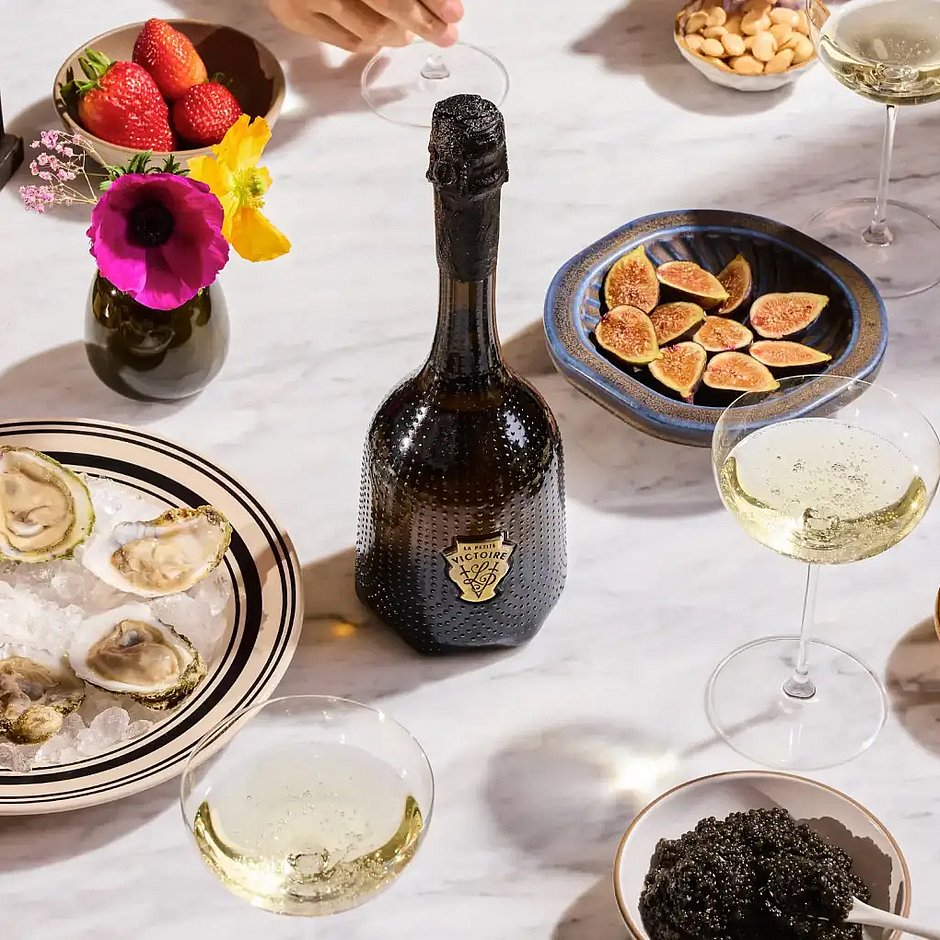
Wine has always been slow on the uptake; innovation is glacial and the trade still talks about varietals, when modern consumers increasingly think about occasion. Take a non-alcoholic, zero-sugar wine, add adaptogens and electrolytes and you can see why FitVine appeals to the pickleball crowd. Likewise La Petite Victoire, with its sensual custom glass, elevates non-alcoholic sparkling wine into a super-premium celebration ritual. It’s unique and totally unapologetic.
Functional beverages also blur the lines. Recess now spans energising, hydrating and mood-enhancing drinks, ‘craft’ mocktails and powders to add to water. They don’t seem scared of blurring anything. That’s what makes the opportunity interesting: 8 out of 10 non-alc buyers also purchase alcoholic drinks.
We should stop thinking in polarities. Nothing is black and white any more. It’s not about drinking no alcohol. It’s about drinking less, drinking better and choosing the right drink, for the right reason, at the right time.
Kevin Shaw is the founder of Stranger & Stranger, the award-winning brand and packaging design agency specialising in beverage alcohol. He has spent more than three decades helping established brands and ambitious start-ups grow and build distinctive identities that stand out.
November 2026
Sign me up for email updates and news